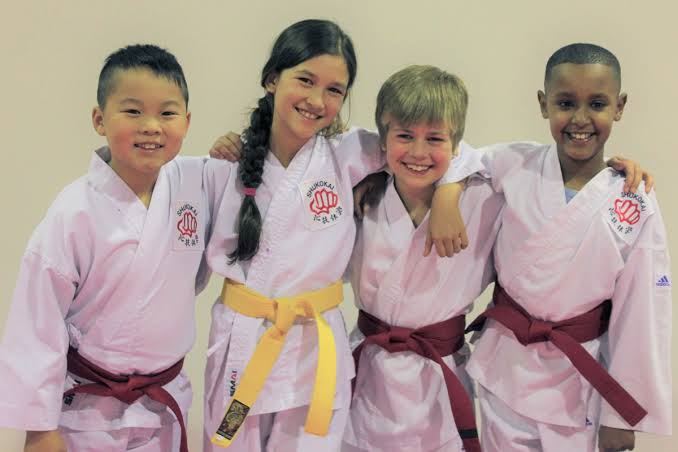
In martial arts, respect is considered one of the core values. From the very first day of our lessons, we focus on children’s mentality and teach them how to respect their parents, coaches, and teachers. During our training journey, strength, courage, respect and positive attitude are taught to the children, which is helpful throughout their lives. We believe that respect is the key element in martial arts. Martial arts trainers focus on this value constantly, inspiring students to carry it with them. Self-respect and respect for others are the basic qualities that can go along with kids throughout their lives. Martial arts is found to be a tool that can help the parents to teach their children life skills, self-respect and respect for others.
The respect which develops in the students for their masters, trainers, fellow students, and their own skills is expected, shared and applied to their interpersonal interactions at home, college, and in society. The practice of demonstrating and gaining respect for others causes most learners of martial arts to become better citizens, good leaders, and, in general, good human beings.
How are martial arts an effective way for children to learn respect? Here we are going to elaborate on it for you.
1. Following instructors, teachers and trainers’ instructions:
During martial arts training, students and teachers interact with each other. Children will not be able to practice any kind of martial arts activity if he doesn’t have a respect for their instructors, seniors, and trainers. We believe that to learn the basics of martial arts, respect is the key value that can be learned from the beginning. Children learn to respect their instructors, teachers, and trainers by following their instructions and sharing their experience and skills.
2. For respect, bowing to each other:
Bowing in Martial arts is the sign of respect for their trainers and training partners. Bowing is the sign of deep respect, which shows the willingness to focus on training.
It demonstrates consideration for space and the atmosphere they enter. It also means and recognises respect for the trainer’s understanding, abilities, and rank. It demonstrates that you respect the capacities of the other person irrespective of skill and experience. In martial arts, this is essential. Contrary to collective belief, martial arts do not foster a combat culture. The bow is an important sign of Martial artists’ mutual respect.
3. Humble your opponents and honour them:
Humility is a component of regard. Not every game is won. Losing and failure in Martial arts is as essential as winning in personal development. The reality is, there is always someone with higher abilities who can defeat you. Whether you win or lose the game, it’s essential to be humble and honour your opponents. This is readily learned by children during martial arts practice. In their win, they learn to be humble and respect the abilities of their opponent, whether they win or lose. Martial arts develop beneficial conduct in and out of practice by teaching kids the most fundamental values, such as respect.