
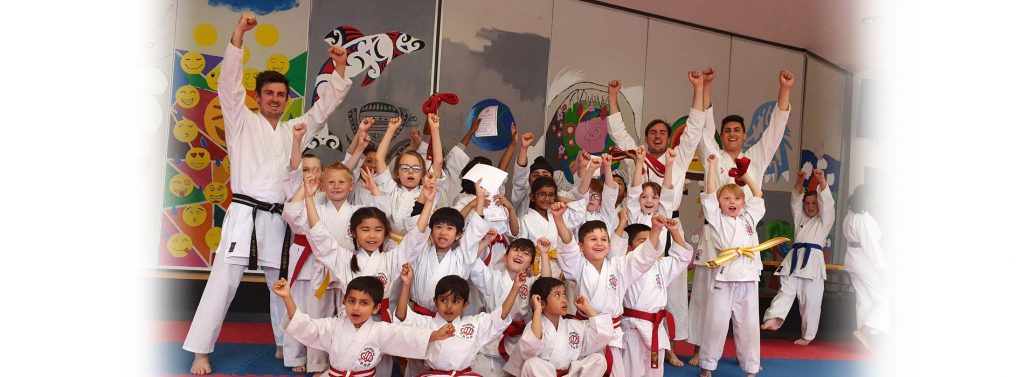
You’ve probably spent weeks scrolling through options, reading vague websites, and second-guessing yourself. Maybe your child is getting restless, or you’ve been meaning to do something active for months. Choosing a martial arts school feels bigger than just signing up for a class; you want real structure, a safe environment, and coaches who actually care. That hesitation is completely valid. The right club changes lives. The wrong one wastes your time and money. Here’s what genuinely sets a quality club apart, and why so many local families keep coming back to Samurai Karate.
What Makes a Best Martial Arts Club — And Why It Matters
Not all martial arts clubs are created equal. The difference between a standout school and an average one comes down to three things: coaching quality, curriculum structure, and community culture.
Great coaching means more than knowing technique. It means a coach who notices when a quiet kid needs encouragement, or when an adult beginner is frustrated and about to quit. Structured curriculum means you’re not just doing random drills; you’re progressing deliberately, with each class building on the last. And community culture? That’s the invisible ingredient most clubs overlook entirely.
When parents ask how to find the best martial arts club for their child, the answer rarely comes down to location or price. It comes down to these three pillars and whether the school lives them every single day.
Here’s an insight you won’t find on most karate websites: the quality of a club’s white belt programme predicts everything. If beginners are welcomed with patience, clear instruction, and realistic milestones, the whole school reflects that standard. If white belts are rushed or ignored, it’s a signal. When you visit any club, watch how instructors interact with the newest students; that tells you more than any brochure.
Samurai Karate structures its beginner programme around exactly this principle. New students aren’t thrown into the deep end. They’re guided through fundamentals with clear expectations and regular feedback.
Building Skills at a Karate Academy That Prioritises Progress
A quality karate academy doesn’t just teach you to kick and punch; it teaches you how to learn. That distinction matters enormously for both children and adults.
At Samurai Karate, the academy’s approach means each student follows a clear development pathway. Classes are grouped by age and experience, so a 40-year-old adult beginner isn’t sparring with competitive teenagers, and a seven-year-old isn’t overwhelmed by advanced kata they’re not ready for.
The syllabus follows traditional Shotokan principles while integrating modern coaching methods, including verbal feedback loops, partner drills, and short theory components that help students understand why each technique works. Understanding the “why” accelerates physical learning faster than repetition alone.
Adult students particularly benefit from this structured approach. Many arrive having never done a martial art before, and within a term, they’re moving with genuine confidence and purpose.
Real Outcomes: What Students Actually Gain
Let’s be straightforward about what Karate Academy realistically delivers, because overpromising helps no one.
Consistent training two to three sessions per week produces measurable improvements in cardiovascular fitness, flexibility, and core strength within the first three months. Beyond the physical, students consistently report better focus in daily life, including school performance in children and stress management in adults.
Confidence is perhaps the most frequently cited benefit. Take Mia, a 9-year-old who earned her yellow belt in three months. Her mum described the change plainly: “She stands differently now. She speaks up in class. The karate didn’t give her a personality transplant; it just gave her somewhere to prove herself.”
These outcomes aren’t unique to exceptionally gifted students. They’re typical of what happens when a young person or an adult commits to a structured discipline with consistent coaching and a supportive environment.
A Club Rooted in the Local Community
What makes a martial arts school truly local isn’t just its postcode. It’s whether the club shows up beyond its own walls.
Samurai Karate has built genuine roots in its community through school visits, holiday programmes, and junior demo teams that perform at local events. Families recognise the instructors. Students run into their dojo classmates at the weekend. That social fabric matters; it’s part of what keeps students motivated long after the novelty of a new hobby wears off.
For parents, the community element also provides peace of mind. You’re not handing your child over to strangers. You’re joining a network of families who share the same values around respect, discipline, and physical activity. That’s something no online review can fully convey; it has to be experienced in person.
What to Expect: From Your First Class to First Belt Grading
Walking into a dojo for the first time can feel intimidating. Here’s exactly what the journey looks like.
Week one: You’ll observe or participate in a trial class. Instructors will introduce basic stances, a simple block, and a punch combination. Nothing overwhelming. You’ll leave sweaty and probably a little sore — in a good way.
Weeks two to four: You’ll start learning your first kata (a formal sequence of movements) and basic self-defence applications. Footwork and posture become the focus.
Months two and three: Conditioning improves noticeably. You’ll begin light partner work and sparring preparation. The curriculum introduces the core techniques required for your first grading.
First belt grading: Typically held every three months, gradings are structured assessments, not competitions. Instructors evaluate technique, attitude, and consistency. Most students who attend classes regularly are ready. The grading itself is a milestone, not a barrier.
Frequently Asked Questions
Most children can begin structured karate classes from around five or six years old. At this age, they can follow basic instructions and benefit from the coordination and discipline aspects of training. Some clubs offer “mini” programmes for ages four and up. It’s worth calling the school directly to ask about their youngest age group and class structure.
No prior fitness level is required to start. Karate training builds fitness progressively, so you’ll develop strength, flexibility, and stamina as part of the programme itself. Most beginners notice meaningful physical improvements within the first six to eight weeks of regular attendance, even if they arrived completely sedentary.
A black belt in traditional Shotokan karate typically takes between four and seven years of consistent training. Progress depends on how often you train, your instructor’s curriculum, and your dedication at each grade level. Rushing through belts is a red flag; quality schools prioritise genuine competency over rapid advancement.
Yes, when taught by qualified and experienced instructors. Reputable clubs implement strict safety protocols, use appropriate protective equipment for contact drills, and teach controlled techniques before introducing any form of sparring. Ask any prospective school about their instructor qualifications and their approach to contact training for juniors.
Absolutely. Adult beginners are welcomed at quality clubs and are typically placed in beginner-appropriate classes or learning cohorts. Many adults find karate more rewarding than team sports because progress is individual, you’re competing with your own last performance, not against other people.
Ready to Take the First Step?
If you’ve been putting this off, consider this your sign to stop scrolling and make the call. Samurai Karate offers trial classes for both juniors and adults, no contracts, no pressure, just a genuine look at whether it’s the right fit for you or your family. Our instructors are experienced, our community is welcoming, and the results speak for themselves. Pick up the phone, visit Samurai Karate or come in and watch a class. The hardest part is walking through the door the first time. We’ll handle everything after that.