
Choosing an after-school activity for your child can be challenging. You want something enjoyable that keeps them active, develops useful skills and fits around school and family commitments. Your child might have lots of energy, feel nervous about trying something new or simply want to learn a different activity.
Martial arts can combine physical exercise with structured learning, helping children practise movement, concentration and patience. However, the right class depends on your child’s age, interests and individual needs. Understanding what lessons involve, how beginners progress and what to look for in a local school can help you make an informed decision.
What Does Children’s Martial Arts Training Involve?
Children’s martial arts training combines physical movement, technique practice and structured learning. Depending on the discipline, students may learn punches, kicks, blocks, balance, footwork and coordinated movements. In karate, they may also practise stances, combinations and kata, which are sequences of movements performed in a particular order.
For younger children, training should focus on age-appropriate activities, simple instructions and fundamental movement skills. Older children may be ready for more detailed techniques, longer sequences and greater responsibility during lessons.
Parents should expect repetition. A child might practise the same stance or movement several times before becoming comfortable with it. This is a normal part of learning. Repeating techniques helps children understand movement and gradually improve their control.
Karate also introduces routines and class etiquette. Students learn to listen to instructions, take turns, respect other participants and practise with consideration for others. These habits help children understand that martial arts involves more than physical exercise.
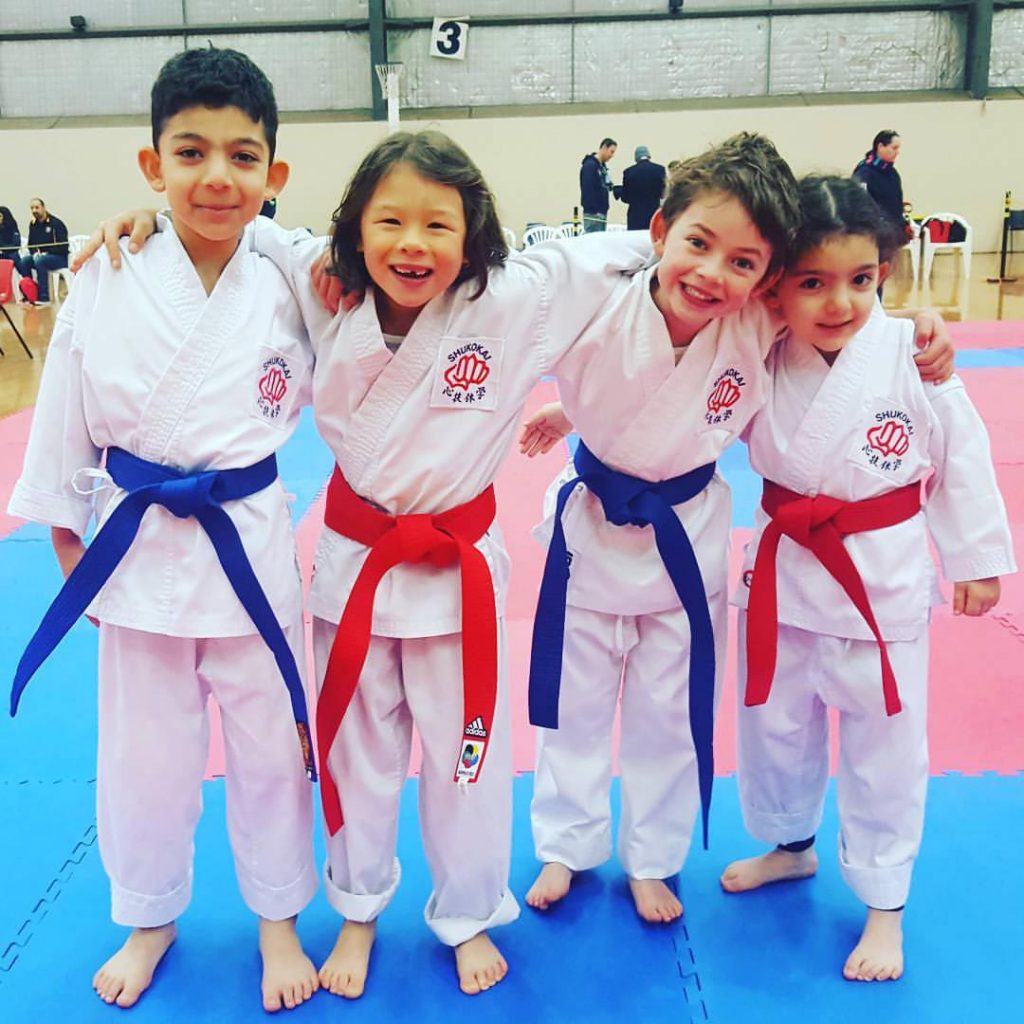
Samurai Karate teaches traditional Shukokai karate. Parents can explore its karate programmes for children to learn more about the school and its published training information.
How to Choose the Best Martial Arts for 4-12 Year Old Children
When comparing the best martial arts for 4-12 year old children, start with your child’s needs rather than the popularity of a particular discipline. A suitable class should match their developmental stage, interests and ability to participate in a structured group.
Consider these factors before enrolling:
- Age-appropriate teaching: Ask whether children are grouped by age or experience and how activities are adapted to different abilities.
- Beginner support: Find out how instructors introduce children who have never attended a martial arts class.
- Teaching style: Look for clear explanations, constructive feedback and reasonable expectations.
- Training structure: Ask how lessons balance warm-ups, technique practice, movement and class etiquette.
- Progression: Understand how students develop their skills and what they need to demonstrate before belt grading.
- Safety: Ask about partner exercises, physical contact, supervision and the rules children must follow.
- Practical arrangements: Consider travel time, class availability and how training fits around school and family life.
One useful detail to observe is how instructors respond when children make mistakes. Beginners will forget movements, lose balance and sometimes need instructions repeated. Patient explanations and opportunities to try again can make learning less intimidating.
The best choice is not necessarily the school making the biggest promises. Look for a teaching environment where your child can learn progressively, understand expectations and feel comfortable asking for help.
Realistic Benefits of Karate for Children
Karate provides opportunities for children to develop physical skills and positive learning habits. However, results vary according to age, interests, attendance and individual circumstances. Parents should see these benefits as possibilities rather than guaranteed outcomes.
Fitness and coordination: Karate involves movement, balance, changes of direction and controlled techniques. Regular participation can support physical activity, coordination and body awareness.
Focus and listening: Students watch demonstrations, remember instructions and practise movements in sequence. These activities give children opportunities to develop concentration, although improvements may take time.
Confidence: Learning a new technique or completing a challenging exercise can provide a sense of achievement. Confidence may develop through these smaller successes rather than appearing after a single lesson.
Discipline and patience: Karate requires practice, consistency and an ability to accept feedback. Children can learn that progress takes effort and that mistakes are a normal part of improving.
Social skills: Group classes allow children to practise taking turns, sharing space and respecting others. They also have opportunities to work alongside students with different abilities.
An often-overlooked benefit is learning to control the speed and force of a movement. Children need to understand when to move, when to stop and how to respond to instructions. This develops an important awareness of personal control and responsible participation.
Parents can support their child’s progress by celebrating effort, asking what they enjoyed and avoiding comparisons with other students. The aim is to help children build skills at a pace that suits them.
Finding Kids Karate Near Me: What Local Families Should Know
Searching for kids karate near me is a useful starting point, but the closest school is not automatically the most suitable. Families should compare locations, teaching approaches and beginner options before deciding where to enrol.
If you live in Gosnells, Western Australia, check each school’s actual training location before arranging a visit. Samurai Karate’s published locations include Melbourne-area dojos and Underwood, Queensland. A dojo in Gosnells has not been verified, so families in that suburb should confirm whether a suitable training location is available.
You can check Samurai Karate’s dojo locations to review its published locations and identify whether one is practical for your family.
Local convenience matters because regular attendance gives children more opportunities to practise and become familiar with their class routine. Consider travel time, available sessions and whether the school welcomes complete beginners in your child’s age group.
It is also worth asking how instructors communicate with parents about progress, behaviour and grading. Clear expectations can help you understand what your child is learning and how you can encourage practice outside class without putting unnecessary pressure on them.
Before making a decision, compare schools using the same criteria. A convenient location, supportive teaching and a clear progression pathway can make martial arts easier to maintain as part of your child’s routine.
What to Expect From the First Class
A first karate class can feel unfamiliar, especially for a child who has never joined a martial arts programme. Reassure your child that they do not need to know any techniques beforehand. Their first goal is to understand the class and become comfortable with the environment.
Depending on the school’s introductory arrangements, beginners may learn where to stand, how to listen to instructions and how to perform basic movements. Activities might include simple stances, hand techniques, kicks or coordination exercises suited to their level.
Some children join in straight away, while others prefer to observe before participating fully. Both responses can be normal when trying something new. Give your child time to decide how they feel about the experience.
As training continues, students practise fundamental techniques before gradually learning more complex movements. Belt grading provides milestones along the way, but progression should reflect demonstrated skills and readiness rather than attendance alone.
Before enrolling, ask what beginners are expected to learn, how the first belt grading works and how instructors communicate progress to parents. You can also read this guide to choosing the right martial arts class for your child for further advice.
The most useful sign of a positive start is not a perfect performance. It is whether your child feels comfortable, understands what they are learning and is willing to give the activity another try.
Frequently Asked Questions
The right choice depends on your child’s development, interests and readiness to follow simple instructions. Look for a programme designed for young beginners, with age-appropriate movement and clear guidance. Ask the school how lessons accommodate younger children before booking an introductory session.
Yes, children can start karate without previous martial arts experience if the programme welcomes beginners. Early lessons introduce basic movements, class routines and simple techniques. Ask how new students are supported and whether instruction is adapted to your child’s age and current ability.
A manageable, consistent routine is a sensible starting point. The ideal frequency depends on the programme, your child’s schedule and how they respond to training. Ask the instructor about suitable attendance and leave enough time for schoolwork, rest and other activities.
Karate offers opportunities to practise patience, follow instructions and experience progress through learning new techniques. These experiences may support confidence and self-discipline over time, although every child is different. Regular participation, appropriate encouragement and realistic goals are more helpful than expecting immediate changes.
Start by checking nearby schools’ official websites for locations, age groups, timetables and beginner options. Contact each school to confirm current details and ask about safety, instructor guidance and belt progression. Check the actual training location before arranging a visit or committing to classes.
Help Your Child Take the First Step
Choosing martial arts for your child starts with finding a programme that suits their age, interests and your family’s routine. Samurai Karate offers information about its traditional Shukokai karate and published dojo locations through its website. Contact the school to ask about children’s training, introductory options and current availability. If you are based in Gosnells, confirm whether a suitable location is accessible before making arrangements. A conversation with the school can help you understand the next steps and decide whether its approach is right for your child.