
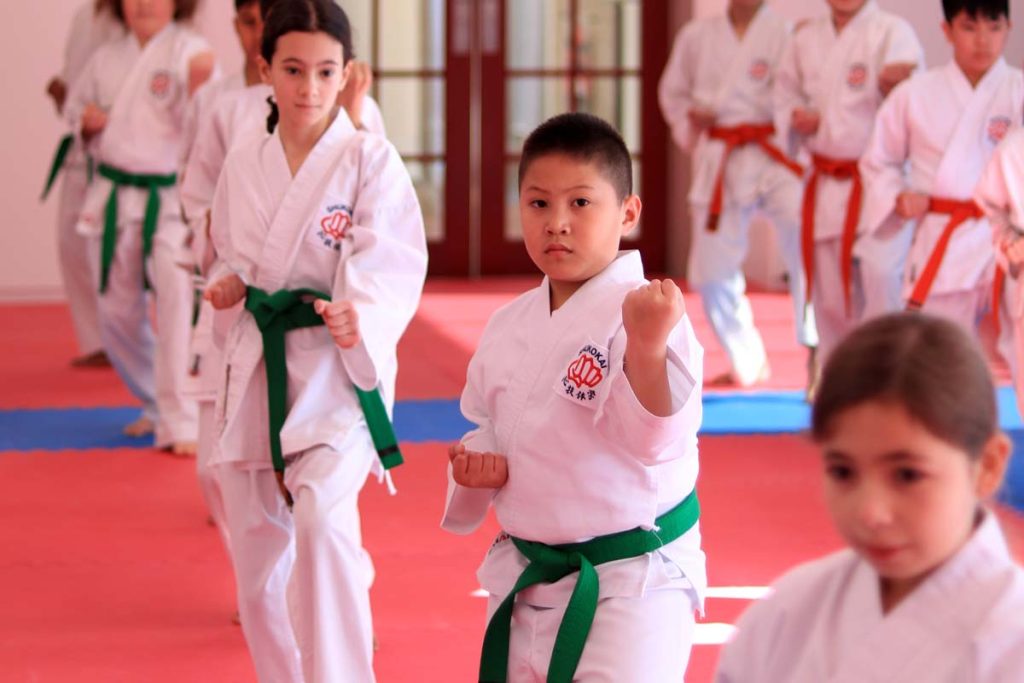
Choosing an after-school activity for your child can be harder than it sounds. You may want something that keeps them active, but also gives them a chance to develop focus, confidence and useful habits. At the same time, your child may be nervous about joining a new group or worry that martial arts will be too difficult.
The right children’s martial arts programme should meet your child at their current ability rather than expecting them to arrive already confident or athletic. For parents comparing martial arts Melbourne options, the quality of instruction, age-appropriate training, progression and overall environment are worth considering before making a decision.
What Children’s Martial Arts Training Really Involves
Children’s martial arts is much more than learning how to punch and kick. A well-structured class introduces children to movement, basic techniques, physical coordination and the habits needed to participate safely in a group.
For younger students, sessions may focus heavily on simple movements, balance, listening and following instructions. As children develop, training can become more technically demanding. Karate may include techniques such as punches, kicks, blocks, stances and combinations, along with traditional elements such as kata.
Parents should also expect repetition. Children need to practise the same movement several times before it becomes familiar. That repetition is useful because it teaches them that improvement often comes through practice rather than instant success.
A good programme should also recognise that children develop at different rates. Some will be naturally energetic, while others may need more time to become comfortable participating. Beginner training should give them room to learn without making early progress feel like a competition.
Samurai Karate provides traditional Shukokai karate programmes for children, teens and adults across Melbourne, with age-banded classes available at its different dojos.
How to Choose the Best Martial Arts for 4-12 Year Olds
When parents search for the best martial arts for 4-12 year old children, the most useful question is not simply which martial art is most popular. The better question is whether the programme suits your child’s age, personality, ability and reasons for joining.
Start by checking how children are grouped. Younger children generally benefit from shorter, simpler activities, while older children can usually handle more detailed instruction and longer practice periods. Samurai Karate’s published timetables show separate junior groups, including programmes for children aged 4-7 at several Melbourne locations and classes for older junior students.
You should also look at:
- Instructor approach: Do instructors explain techniques clearly and give children appropriate guidance?
- Class structure: Is there a clear balance between warm-up, skill development, practice and physical activity?
- Beginner suitability: Can a child start without previous martial arts experience?
- Progression: Is there a clear pathway for children who continue training?
- Environment: Does the class encourage respect and participation without unnecessary pressure?
- Practical fit: Is the location and timetable realistic for your family’s routine?
One useful test is to watch how the class handles mistakes. Children will forget instructions, lose balance and perform techniques incorrectly. An environment where mistakes are treated as part of learning can make it easier for a child to keep trying.
What Children Can Realistically Gain From Martial Arts
Martial arts can support several areas of children’s development, but parents should avoid programmes that promise dramatic changes after only a few sessions.
Regular training involves movement, which can contribute to physical fitness, coordination, balance and body awareness. Children also need to listen carefully, remember sequences and respond to instructions, which gives them opportunities to practise concentration and focus.
Discipline is another potential benefit, but it is better understood as a habit than a personality change. A child learns to arrive, listen, practise, repeat and gradually improve. Over time, these routines can reinforce patience and responsibility.
Confidence can develop similarly. Rather than telling children to “be confident”, martial arts gives them small opportunities to experience progress. Learning a new technique, remembering a sequence or moving to the next stage can provide a tangible sense of achievement.
An original point parents may overlook is learning how to manage attention. Children are often asked to switch between listening, watching, moving and waiting their turn. That ability to shift attention appropriately is useful beyond the dojo, including during schoolwork, sport and other structured activities.
Samurai Karate identifies concentration, self-discipline, fitness, teamwork, goal setting and traditional values among the areas its programmes aim to develop.
For parents wanting more background on choosing martial arts training in Melbourne, its existing guide on martial arts in Melbourne and personal development provides additional context.
Finding the Right Local Martial Arts Community
Location matters because consistency is easier when training fits naturally into family life. Melbourne families have different routines, school commitments and travel patterns, so a nearby dojo and suitable class time can make a practical difference.
Samurai Karate currently lists Victorian dojos in Sunshine, Tarneit, Kensington, Caroline Springs, Croydon and Waverley. Each location has its own timetable and junior class structure, so parents should check the relevant location before enrolling.
The community side of martial arts can also matter. Children train alongside others, learn to take turns, follow shared rules and work towards individual goals within a group. That creates a social environment without making every session about competition.
For example, the Waverley location describes its classes as a supportive environment and provides separate programmes for younger children, juniors, cadets and adults. Its listed instructor information also includes experience working with children and early childhood and special education.
If you are comparing local options, consider visiting or enquiring before committing. Ask what age group your child belongs in, what beginners can expect and how progression is assessed.
What to Expect From the First Class
A first class can feel unfamiliar, especially for a child who has never participated in martial arts. It is normal for beginners to spend some time watching, listening and learning how the class works.
Initial training generally introduces basic movements and simple techniques appropriate to the student’s level. Children may practise stances, hand techniques, kicks, coordination exercises or combinations while learning how to follow instructions safely.
Progress should happen gradually. Children who continue training can work through the grading system used by their dojo. Belt progression gives students a clear goal, but the important part is the learning that happens between gradings.
Parents should also remember that progress is not always linear. A child may perform a technique confidently one week and struggle with it the next. Consistent practice, encouragement and realistic expectations are usually more useful than pressure to advance quickly.
Samurai Karate’s published class timetables show students grouped by age and grade at several Melbourne locations, demonstrating a progression from beginner levels through more advanced junior training.
For parents researching children’s training options, you can also explore Samurai Karate’s martial arts training information before deciding whether its approach fits your child.
Frequently Asked Questions:
The suitable starting age depends on the child and the programme. Samurai Karate publishes junior programmes for young children, including Little Samurai classes for ages 4-7 at several Melbourne locations. Parents should contact the relevant dojo to confirm the current age group and class arrangements before enrolling.
Yes, children can begin without previous martial arts experience when the class is designed for beginners. Early sessions should focus on basic movements, listening, coordination and learning class routines. Parents should ask how beginners are introduced to training and whether children are grouped according to age and experience.
There is no single schedule that suits every child. Consistency matters more than trying to train as often as possible. A manageable routine that fits around school, family commitments and other activities can help children practise regularly without becoming overwhelmed. Your chosen dojo can recommend an appropriate starting schedule.
Martial arts can provide opportunities for confidence to develop through practice and achievement, but results vary between children. Learning a technique, completing a class or progressing through grades can create positive experiences. Parents should view confidence as something that develops gradually rather than an immediate result guaranteed by training.
Ask about the class age range, beginner process, instructor approach, progression system, class length and expectations for parents. It is also useful to ask whether you can observe or attend an introductory session. Most importantly, consider whether your child feels comfortable, engaged and willing to return after the first experience.
Give Your Child a Positive Start With Martial Arts
If you are considering martial arts Melbourne training for your child, the first step is finding a class that fits their age, ability and personality. Samurai Karate offers traditional Shukokai karate programmes for children across several Melbourne locations. You can contact the relevant dojo to discuss beginner training, class options and what your child can expect. A conversation before enrolling can help you make a more informed choice and give your child a comfortable introduction to martial arts. Contact Samurai Karate to enquire about children’s training and find a suitable pathway for your family.