
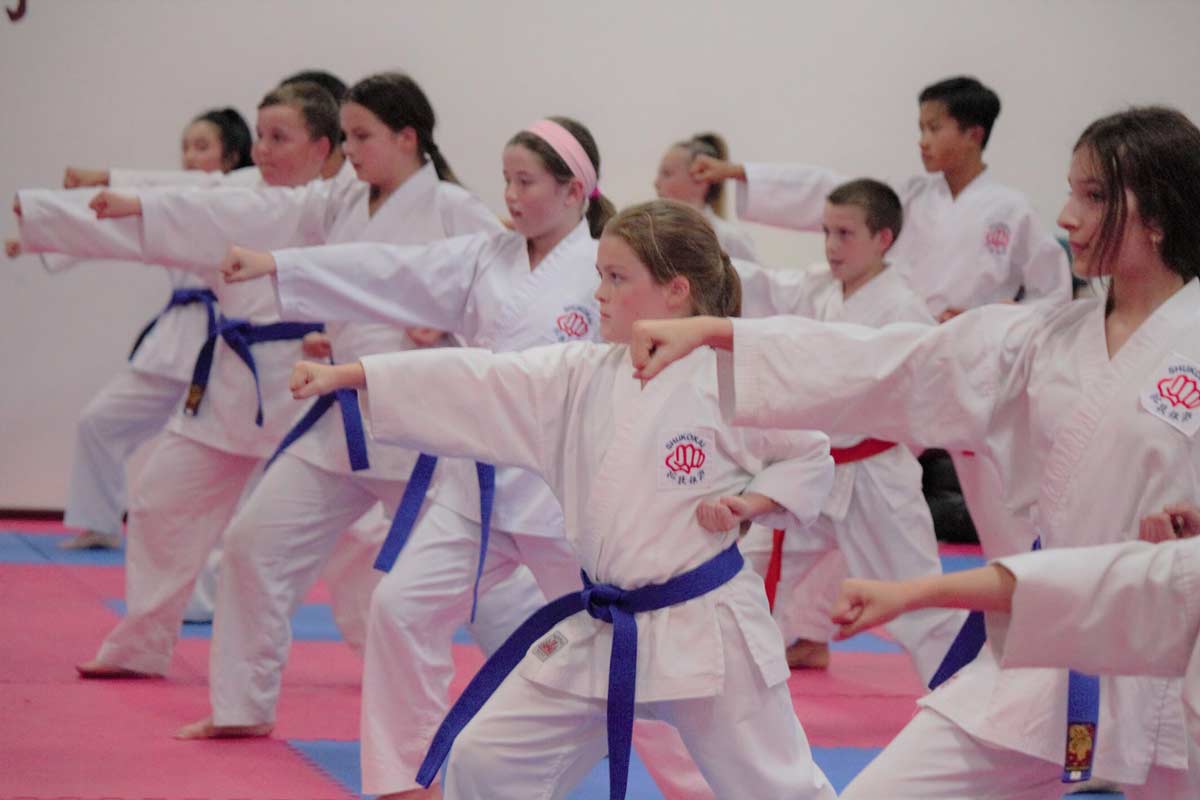
Choosing an activity for your child can be harder than it first appears. You may want something that keeps them active, but also helps them develop useful habits they can carry into school and everyday life. The right martial arts class should offer a safe, structured environment where children can learn at a pace that suits their age and experience.
For families considering martial arts for kids in Sunshine, karate can provide a practical combination of movement, learning and routine. Understanding what training involves, how beginners progress and what to look for in a local class can help you make a more informed choice.
What Does Children’s Martial Arts Training Involve?
Children’s karate is more than learning how to perform individual techniques. A well-structured class introduces children to movement, balance, coordination, basic karate skills and training routines in an age-appropriate way.
Beginners generally need time to become comfortable with instructions, physical movements and the expectations of a class. Parents should not expect a child to master techniques immediately. Progress comes through regular practice and gradually becoming more familiar with the training environment.
Children may work on fundamental movements, stances, blocks, strikes, kicks and combinations as they develop their skills. Training can also involve activities that encourage balance, reaction, coordination and body awareness.
One useful point for parents is that martial arts can teach children to pay attention to how they move, rather than simply moving as quickly as possible. Learning to control a movement, stop at the right time and repeat a technique accurately can be just as important as physical effort.
Choosing the Right Karate Academy for Your Child
A local karate academy should be somewhere your child feels comfortable learning while understanding that training still requires focus and consistency. Before enrolling, parents can ask about beginner classes, age suitability, the way instructors work with children and how new students are introduced to training.
It is also worth considering whether the class structure matches your child’s personality and current ability. A child who has never participated in martial arts may need a different introduction from one who already has experience with organised sport.
Look for clear instruction rather than promises of instant results. Children’s development is different for every student, so a sensible programme should allow them to build skills progressively.
Parents can also review the information provided directly by the school. For families interested in Samurai Karate, the Sunshine Dojo page provides a starting point for learning more about the local training option.
What Can Children Realistically Gain From Karate?
Karate can support several areas of children’s development, but results depend on factors such as age, attendance, effort and individual circumstances. It should not be presented as a guaranteed solution for confidence, behaviour or fitness.
Regular physical activity can contribute to children’s fitness and movement skills. Karate practice may also involve repeated exercises that develop coordination, balance and body control.
Focus is another part of training. Children need to listen to instructions, remember sequences and respond to demonstrations. Over time, these small tasks can encourage them to concentrate on one activity rather than rushing through it.
Discipline in martial arts is also practical. Children learn that improvement usually requires repetition. A technique may not feel natural during the first lesson, but practising it correctly can make it easier over time.
Confidence can develop through learning and completing new skills, although every child responds differently. For some children, simply becoming comfortable participating in a structured group can be a meaningful step.
Karate and the Local Community
For families considering martial arts, choosing a convenient local training option can make regular attendance easier to manage. Location matters because children’s activities need to fit around school, family commitments and other routines.
Samurai Karate has a Sunshine Dojo in Victoria, giving families researching local children’s martial arts an option to investigate. Parents can use the school’s website to learn more about its wider karate offering before enquiring.
When comparing local classes, think beyond distance. Consider how easily the activity fits into your family’s weekly routine and whether your child is interested in the training itself. Consistency matters because children generally need repeated practice to become familiar with movements and build skills.
The local aspect can also make an activity feel more manageable for families. A class that works with your schedule and is practical to attend regularly is more likely to become part of your child’s routine.
What to Expect From the First Class
A child’s first karate class may feel unfamiliar, especially if they have never participated in martial arts before. It is normal for beginners to need time to understand where to stand, how to follow instructions and how the class operates.
Parents can help by explaining that their child does not need to know karate before starting. Beginners are there to learn. They can expect to practise fundamental movements and gradually become more comfortable with the structure of training.
Progression is generally based on learning rather than simply attending classes. As children develop their understanding and physical skills, they can work towards the requirements associated with their next belt level. Belt grading gives students a clear training milestone, but it should be viewed as part of a longer learning process rather than the sole purpose of karate.
For parents, this can be useful because progress becomes easier to observe. Instead of asking whether a child is simply “good at karate”, you can look at whether they are learning techniques accurately, following instructions, practising consistently and becoming more comfortable with the training environment.
Frequently Asked Questions:
The appropriate starting age can vary between programmes and individual children. Parents should check the age groups offered by the local dojo and discuss any concerns before enrolling. A child’s readiness to follow simple instructions, participate in a group and engage in physical activity can also help determine whether they are ready.
Yes, children do not need previous martial arts experience to begin learning karate. Beginner training introduces fundamental movements and class routines progressively. Parents should expect their child to learn gradually rather than perform techniques perfectly from the first lesson. Asking the dojo about its beginner pathway can help set realistic expectations.
Karate may give children opportunities to build confidence by learning new movements, practising regularly and reaching individual milestones. However, confidence develops differently for every child and cannot be guaranteed. A supportive training environment, realistic goals and consistent participation can all contribute to a child’s experience.
Belt grading provides milestones that recognise a student’s progression through their karate training. The specific requirements and timing depend on the programme. Parents should ask the dojo how grading works, what students need to learn before progressing and how instructors prepare beginners for their first grading.
Parents should check directly with the dojo about clothing requirements before the first session. If your child is completely new to karate, the school can explain what is appropriate for an introductory class and when a karate uniform may be required. Comfortable clothing suitable for movement may be relevant for an initial session, depending on the school’s guidance.
Start Your Child’s Karate Journey
If you are considering martial arts for kids in Sunshine, the best starting point is to learn how the local programme works and decide whether it suits your child’s needs, interests and routine. Samurai Karate can provide information about children’s training and help parents understand what to expect before getting started. Contact the team to enquire about children’s martial arts training, beginner classes and the next steps for your child. A conversation can help you ask the right questions and decide whether karate is a suitable activity for your family.