
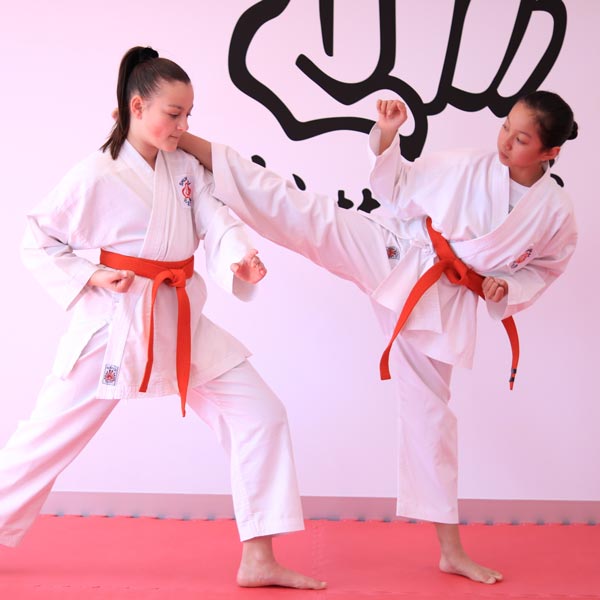
Your child might need an activity that keeps them moving, gives them something to work towards, or simply helps them try something new. For parents, choosing the right class involves more than finding a convenient location. You want an environment where your child can learn safely, understand what is expected of them and progress at a pace that suits their age and ability.
A good martial arts programme can combine physical activity with structured learning. Karate introduces children to movement, technique, repetition and respect while giving them clear goals to work towards. The right school should make those lessons practical, age-appropriate and enjoyable.
What Children’s Martial Arts Training Really Involves
Children’s karate is much broader than learning how to punch or kick. Beginners typically spend time learning basic movements, stances, techniques and forms, while also becoming familiar with the etiquette of the dojo. Bowing, listening to instructions, taking turns and showing respect are all part of learning how to participate in a structured class.
Physical activity is another important part of training. Karate can involve footwork, balance, controlled movements and repeated techniques, helping children develop coordination and body awareness. The level of challenge should increase gradually rather than expecting a beginner to perform advanced movements immediately.
Parents should also expect repetition. A child may practise the same technique several times before it feels natural. That repetition is useful because it allows them to notice small improvements. They learn that progress is often built through consistent practice rather than getting something right on the first attempt.
Samurai Karate describes its approach as combining physical and mental development, with discipline, respect, self-control and personal growth forming part of the training philosophy.
Choosing Karate for Kids in Sunshine
When researching karate for kids in Sunshine, location is only one part of the decision. Parents should look at the age groups offered, beginner arrangements, class structure, instructor information and whether the environment feels appropriate for their child.
The Sunshine Dojo is located at 4/180 Fairbairn Rd, Sunshine West, Victoria. Its children’s programmes include Little Samurai for ages 4–7 and Juniors for ages 8–15, giving families an age-based starting point.
For a parent comparing local options, it is also worth checking how beginners are introduced to training. Samurai Karate states that families can attend private introductory lessons with no obligation to join. This can be particularly useful if your child is nervous about entering a martial arts class for the first time.
You can explore the Sunshine Dojo and its children’s karate programmes to check the current local information before enquiring.
Another practical consideration is the timetable. A class that fits comfortably around school, family commitments and other activities is more likely to support consistent attendance. The Sunshine timetable currently lists separate junior groups by age and progression level, including beginner and intermediate classes.
What Children Can Realistically Gain From Karate
Parents often hear that martial arts can improve confidence and discipline. Those benefits can be meaningful, but they should not be treated as automatic results. A child’s experience depends on factors such as attendance, personality, encouragement at home and the quality of instruction.
Fitness is one straightforward benefit. Regular movement gives children an opportunity to practise balance, coordination, flexibility and controlled physical effort. Karate can also challenge children to remember sequences and respond to instructions, which makes focus part of the physical activity rather than a separate lesson.
Confidence can develop through manageable challenges. A child who initially struggles with a movement may eventually perform it correctly after practising. That experience can teach an important lesson: ability can improve through effort, feedback and patience.
One useful insight for parents is to watch how a school responds when a child gets something wrong. A supportive instructor does not need to remove every challenge. Instead, they can help a child understand what went wrong, make an adjustment and try again. That process can be more valuable than simply praising a child for getting everything right.
Karate’s belt progression can reinforce this approach. Children have visible milestones, but the real value is in the habits developed between one grading and the next. Samurai Karate’s Sunshine programme separates students into progression groups, with classes covering levels from beginner grades through senior ranks.
A Local Martial Arts Community for Families
For families choosing a martial arts school, community matters because children spend time learning alongside instructors and other students. A positive environment can make it easier for a new student to settle in and participate.
Samurai Karate operates several dojos across Victoria as well as a Queensland location. Its Sunshine Dojo is specifically based in Sunshine West and offers programmes for children, adults and women.
The Sunshine programme also has a long-standing connection with the local area. The dojo’s information states that the academy has served the community for more than 40 years and that its instructors include Shihan Darren Olsen, listed as a 7th Dan Kyoshi and Australian Chief Instructor.
For parents, these details are worth considering alongside the basics: where the class is held, which age group your child belongs to, how beginners are welcomed and how progression works.
If you are comparing schools, the Samurai Karate Academy information provides a broader overview of its training philosophy, including its focus on discipline, respect, physical fitness and personal development.
What to Expect From the First Class
A first class can feel unfamiliar, particularly for a younger child. Parents should not expect a beginner to know the terminology, movements or etiquette straight away. The first stage is simply becoming comfortable in the training environment and learning to follow instructions.
At Samurai Karate’s Sunshine Dojo, beginners can start through introductory private lessons, with comfortable activewear or loose clothing suitable for the first lesson. The dojo states that students can also be fitted with a uniform when getting started.
Once training begins, children can expect to learn foundational techniques before progressing to more demanding movements. The Sunshine programme currently separates children into Little Samurai and junior groups, with further progression through novice, intermediate and senior levels.
The first belt grading should be viewed as a milestone rather than a race. Children need time to practise their techniques, understand instructions and become comfortable performing what they have learned. Progression should reflect learning and preparation, not simply how quickly a child wants to change belt colour.
For parents, consistency is often more important than rushing ahead. Regular attendance gives children more opportunities to practise, receive feedback and build familiarity with the class structure.
Frequently Asked Questions:
At Samurai Karate’s Sunshine Dojo, the Little Samurai programme is designed for children aged 4–7, while Juniors are listed for ages 8–15. Age groups can have different class structures and progression levels, so parents should check the current programme before enrolling and discuss their child’s needs with the dojo.
Yes. Children do not need previous martial arts experience to begin learning karate. Beginner training focuses on foundational movements, basic techniques, class etiquette and following instructions. Samurai Karate’s Sunshine Dojo also offers introductory private lessons, allowing new students to become familiar with training before deciding whether to join.
For an introductory lesson, comfortable activewear or loose clothing is suitable. A child does not need to arrive already knowing how to train or wearing a karate uniform. Samurai Karate states that it can help new students get fitted with their own uniform when they get started.
Belt progression provides structured milestones as children develop their skills. Students generally need to learn and demonstrate the techniques appropriate to their level before progressing. The focus should be on consistent practice and learning rather than changing belts as quickly as possible. Each dojo may have its own grading process and requirements.
Look for age-appropriate classes, clear beginner pathways, suitable instructors, a welcoming training environment and a timetable that works for your family. It is also sensible to visit or ask questions before enrolling. Your child’s comfort, willingness to participate and ability to learn safely should be more important than promises of rapid results.
Take the Next Step With Samurai Karate
Choosing a martial arts class is a decision that should suit both your child and your family. If you are considering children’s karate, Samurai Karate can help you understand the available training options and what to expect as a beginner. Contact the team to ask about the Sunshine Dojo, introductory lessons, age groups, and current class arrangements. A conversation can give you a clearer idea of whether the programme is suitable for your child before you commit. Take the time to ask questions and choose a class where your child can learn, practise, and progress comfortably.