
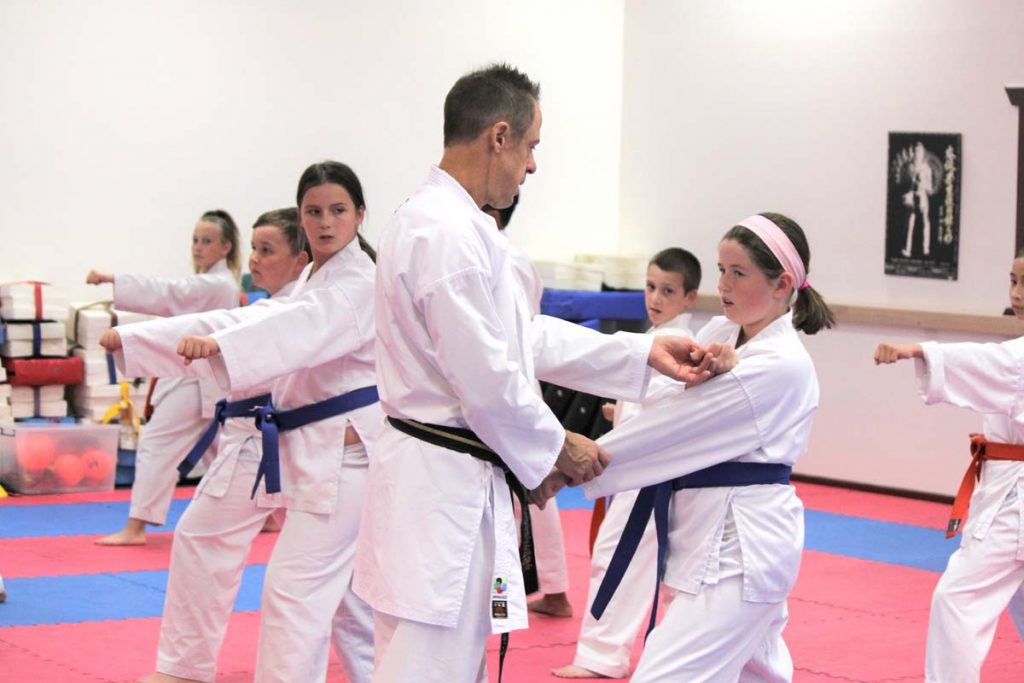
Finding an activity that your child genuinely enjoys can be challenging. You may want something that keeps them active after school, helps them make friends and gives them an opportunity to learn useful life skills. Team sports are one option, but martial arts offer a different experience through structured movement, technique and personal development.
For families exploring martial arts in Melbourne options, children’s karate is worth considering. It combines physical activity with opportunities to practise concentration, coordination, respect and self-control. Understanding what happens during lessons, how beginners progress and what to look for in an instructor can help you choose a suitable training environment for your child.
What Does Children’s Martial Arts Training Involve?
Children’s martial arts training introduces students to physical techniques and structured learning in a supervised environment. At Samurai Karate, the focus is on traditional Japanese Shukokai Karate, which combines fundamental movements, technical practice and traditional martial arts values.
Children typically begin by learning basic stances, punches, blocks and kicks. These movements help them understand body positioning, balance and control. Instructors demonstrate techniques and give students opportunities to practise them through guided activities.
Training may also introduce children to two important areas of karate:
- Kata: A planned sequence of karate movements that helps students practise technique, balance, timing and concentration.
- Kumite: Controlled practice with a partner, helping students understand distance, timing and responsible movement.
The training experience should match a child’s age and ability. Younger children generally benefit from shorter activities, simple instructions and repeated demonstrations. Older children can gradually work towards more detailed techniques and longer movement sequences.
Parents should not expect beginners to master every movement immediately. Learning karate takes practice. Some children become comfortable with basic techniques quickly, while others need more time to understand instructions and coordinate their movements.
The important thing is that children have opportunities to learn, ask questions and improve without feeling pressured to compete with others.
How to Choose the Right Karate Class Near You
When parents search for karate near me, convenience is often an important consideration. However, the closest dojo is not necessarily the most suitable one for your child.
Before choosing a martial arts school, consider these factors.
Age-appropriate classes: Children have different physical and learning needs at different ages. Look for programs that group students according to suitable age ranges and experience levels.
Beginner support: Your child should not need previous karate experience to get started. Ask how the school introduces new students to basic techniques and helps them become familiar with the training environment.
Instructor experience: Find out who will teach your child and what their martial arts background involves. An instructor should be able to demonstrate techniques clearly, communicate with younger students and provide constructive feedback.
Training structure: Ask what students learn during regular sessions. A structured program should introduce fundamental movements before progressing to more challenging techniques.
Safety and control: Children need to understand how to practise responsibly. Ask how instructors supervise partner activities, explain training rules and encourage respect between students.
Location and timetable: Consider travel time, available class groups and how training fits around school, homework and family commitments.
You can also read this guide to martial arts training in Melbourne to explore the wider benefits of learning martial arts and understand what different students may gain from regular practice.
How Can Karate Support Your Child’s Development?
Karate offers more than an opportunity to learn martial arts techniques. Regular participation can provide children with useful physical and personal development experiences.
Physical fitness: Karate involves footwork, kicks, punches, balance exercises and repeated movements. These activities encourage children to stay active while developing strength, flexibility and general fitness.
Coordination and body awareness: Learning to coordinate hand movements, foot positioning and body balance takes practice. Repeating different techniques gives children opportunities to understand how their bodies move.
Concentration and focus: During lessons, students need to listen to instructions, watch demonstrations and remember movement sequences. These activities encourage them to pay attention and follow directions.
Confidence: Learning a new technique can give a child a sense of achievement. Successfully performing a movement that once felt difficult may encourage them to approach other challenges with greater confidence.
Discipline and respect: Karate introduces routines and expectations. Students practise listening to instructors, respecting training partners, following instructions and taking responsibility for their behaviour.
One useful benefit that parents may overlook is learning how to handle frustration. Children do not always get a technique right on their first attempt. They may forget a sequence or struggle with their balance. Karate gives them opportunities to pause, listen to feedback and try again. This helps make mistakes a normal part of learning rather than something to be embarrassed about.
These benefits develop differently for every child. Consistent attendance, suitable instruction and encouragement all contribute to the experience.
Samurai Karate and Its Melbourne Community
Choosing a martial arts school also means finding a training community where your child can feel comfortable learning alongside others.
Samurai Karate teaches traditional Japanese Shukokai Karate and offers programs for children, teenagers and adults. Its approach combines physical training with values such as confidence, concentration, self-discipline and respect.
The organisation’s official website lists several Melbourne training locations, including Sunshine, Kensington, Croydon, Caroline Springs and Waverley. These locations give families across different parts of Melbourne opportunities to explore local training options.
The school’s Little Samurai and junior programs provide age-based learning opportunities. Its approach recognises that younger children and older students have different needs when learning martial arts.
For families in Melbourne, checking the nearest dojo’s location, current timetable and available age groups is a practical starting point. It is also worth speaking directly with the school to understand which program would suit your child.
If you want to learn more about the school’s teaching approach, programs and locations, visit the Samurai Karate official website.
What to Expect From Your Child’s First Karate Class
Starting a new activity can feel exciting but unfamiliar for a child. Understanding the early stages of karate training can help you prepare them for their first experience.
1. Getting familiar with the dojo
Your child will have an opportunity to become familiar with the training environment, instructor and class routine. Allow them time to settle in rather than expecting them to participate perfectly from the beginning.
2. Learning fundamental techniques
Beginner lessons introduce simple movements such as basic stances, punches, blocks and kicks. Instructors demonstrate techniques and guide students through practice.
3. Building skills through repetition
As children attend more sessions, they repeat movements and gradually improve their technique. Repetition helps develop muscle memory, balance and better control.
4. Understanding karate etiquette
Children also learn the importance of listening, showing respect and following dojo expectations. These habits are part of traditional martial arts training.
5. Working towards the first belt grading
Karate uses a belt grading system to recognise a student’s progress. Beginners work towards learning the techniques and understanding the requirements for their next level. The time needed to reach the first grading varies according to the school’s requirements and each student’s progress.
Parents can support this journey by recognising effort rather than focusing only on belt colours. Remembering a new sequence, following instructions or showing improvement in a difficult movement are all worthwhile milestones.
Frequently Asked Questions
Children can start karate at Samurai Karate from four years of age. Its children’s programs include age-based groups designed to support different stages of learning. Parents should check the relevant dojo’s current program to confirm the suitable class for their child’s age.
Yes. Children do not need previous martial arts experience to begin. Beginner training introduces fundamental movements and class routines gradually. Instructors demonstrate techniques and give students time to practise, helping them become familiar with karate without needing to master everything straight away.
Karate involves listening to instructions, watching demonstrations and remembering movement sequences. These activities give children regular opportunities to practise concentration. Students also learn to follow routines and pay attention to their movements, although improvements in focus will vary from child to child.
The belt system recognises a student’s development through different stages of training. Each level has techniques and learning requirements that students must work towards. Grading readiness depends on the school’s curriculum, the student’s progress and their ability to demonstrate the required skills.
Check with your chosen dojo before attending. For an introductory session, comfortable activewear or loose clothing that allows free movement is generally a practical choice. Ask the school whether a karate uniform is required and whether there are any specific instructions for new students.
Give Your Child a Positive Start with Karate
Introducing your child to martial arts can be a valuable way to encourage regular physical activity and personal development. If you are considering children’s karate, contact Samurai Karate on 0447 516 586 to discuss available programs and suitable beginner options. The team can help you understand the age groups, training arrangements and next steps for getting started. Take the time to ask questions and find a class that fits your child’s needs. A positive first experience can make learning karate an enjoyable part of their routine.